
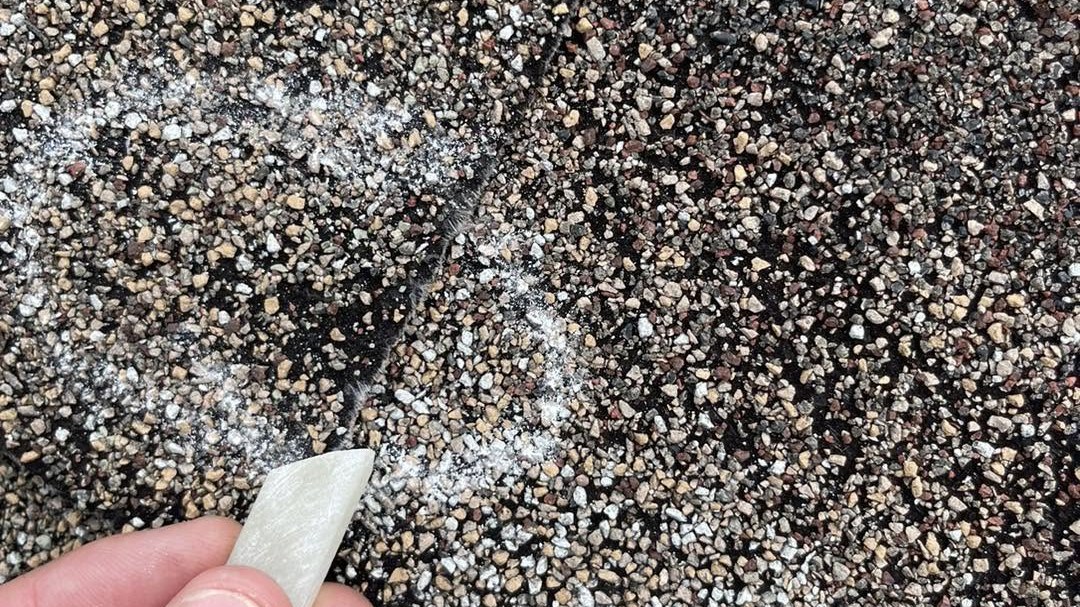
Summary: Hail damage on a roof can appear as subtle issues such as circular dents, bruised shingles, granule loss, exposed fiberglass, cracked shingles, and damaged flashing or gutters. Different roofing materials react differently to hail, with asphalt shingles showing bruising and granule loss, metal roofs developing dents, and tile or slate roofs experiencing cracking or breakage. Early inspection and professional assessment help identify hidden damage, prevent future leaks, and determine the right repair or replacement solution.
We get phone calls every single spring. The sky turns that eerie, bruised green color, the wind kicks up, and suddenly, golf-ball-sized ice is pounding against the side of the house. The storm passes, the sun comes back out, and homeowners step outside to survey the yard. They look up at their home and wonder: what does hail damage look like on a roof?
Most of the time, the destruction isn’t as obvious as a gaping hole. Hail damage on a roof typically looks like random, circular dents, bruised or soft spots on asphalt shingles, and heavy granule loss. You may also notice exposed fiberglass matting, cracked shingles, and dinged metal flashing or gutters.
Catching these subtle issues early makes the difference between a simple, inexpensive patch job and a nightmare scenario involving massive water damage and structural rot down the road. In this guide, we are going to walk you through exactly what we see during our post-storm inspections so you know what to look for.
How hail impacts different roofing materials
Not every roof takes a beating the same way. The physics of a hailstorm means that a one-inch ice ball traveling at forty miles per hour will interact very differently with an asphalt shingle than it will with a steel panel. If you are curious about how different materials hold up generally, our metal roof vs. shingles comparison gives you a solid baseline for durability.
Here is exactly how hail impacts the most common surfaces we inspect:
- Asphalt shingles: This is the most common material we see, and it’s also the one that shows damage in the most distinct way. When hail hits asphalt, it acts like a hammer. You will mostly notice bruising, heavy granule loss in the gutters, and shiny patches where the underlying fiberglass mat is completely exposed to the elements.
- Metal roofing: Metal roofs are incredibly durable, but they aren’t immune to nature. On standing seam or corrugated metal panels, look for cosmetic dents. In more severe storms, hailstones can actually cause functional crimping right along the panel seams, which compromises the watertight seal.
- Tile and slate: Clay tiles and natural slate are beautiful and long-lasting, but a direct impact from dense hail will cause immediate, catastrophic failure at the impact site. These rigid materials tend to suffer from severe cracking, shattering, or scarring right at the point where the ice hits.
12 definite signs of hail damage on your roof
In our years inspecting roofs after massive hailstorms, we often see folks completely miss the subtle structural stuff. The roof looks fine from the driveway, so they assume they dodged a bullet. But damage hides. Here is our comprehensive checklist of 12 definite signs that your roof took a hit.
1. Bruised or dented asphalt shingles
When a hailstone strikes an asphalt shingle, it doesn’t always break the surface. Often, it leaves a bruise. If you run your hand over the surface of the shingle, it will feel soft or spongy right where the impact occurred, much like a bruised apple. This means the structural integrity of the shingle is gone.
2. Heavy granule loss in gutters and downspouts
Those rough, sandy granules on your shingles aren’t just for texture; they protect the underlying asphalt from the sun’s destructive UV rays. After a storm, check your downspout runoffs. If it looks like someone dumped a thick pile of black sand on your driveway or in your gutter troughs, your shingles have lost their primary line of defense.
3. Exposed fiberglass matting
When hail hits hard enough to knock the granules away completely, it exposes the fiberglass matting underneath. From a ladder, or sometimes even from the ground if the pitch is steep enough, these spots will look shiny or bare in the sunlight. Once the mat is exposed, it is only a matter of time before water finds its way in.
4. Circular cracks or “half-moon” shapes
Hail rarely leaves a perfectly straight line. Because the ice is round, the impact often leaves behind distinct, circular, or half-moon-shaped fractures on the shingle. These cracks might look superficial at first glance, but they go deep enough to allow moisture to penetrate the barrier.
5. Dented roof flashing
Metal flashing is installed in the vulnerable valleys of your roof and around chimneys to keep water out. Because it is made of relatively soft metal, it shows impact marks better than almost anything else. If your valley flashing looks like it was tapped repeatedly with a ball-peen hammer, you have significant storm damage.
6. Dinged gutters and downspouts
You don’t always have to climb a ladder to find evidence. Collateral damage is a massive red flag for inspectors. If the soft aluminum of your gutters or downspouts is heavily dinged and dented, it is almost a guarantee that the roof directly above it absorbed the exact same punishment.
7. Damaged roof vents and exhaust caps
Take a look at the box vents, turtle vents, and exhaust caps dotting your roofline. The thin metal on these ventilation components will dent long before your heavy, multi-layered shingles will crack. Crushed vents can also restrict airflow, leading to attic ventilation issues later on.
8. Splatter marks on the roof, deck, or driveway
This is a fascinating phenomenon that most homeowners miss. When a hailstorm rolls through, the sheer force of the ice actually cleans the natural dirt and oxidation off your driveway, wooden deck, or siding. It leaves behind light-colored, clean splatter spots. If you see these on your property, the storm hit hard.
9. Cracked or broken skylights
Skylights are incredible features for natural light, but they are immediate vulnerability points during a hailstorm. Whether they are made of glass or heavy-duty polycarbonate, check them immediately. Even tiny, spiderweb cracks are major vulnerabilities that will leak during the very next rainstorm.
10. Chipped paint on siding and fascia
Again, look at the surrounding property. If your painted wood siding, fascia boards, or window trims have fresh chips and splinters taken out of them, your roof definitely did too. Wind-driven hail comes in at an angle, meaning your vertical surfaces will tell the story of what happened up top.
11. Missing shingles entirely
High winds are usually the culprit when entire shingles are torn off, but heavy, dense hail can actually snap older, brittle shingles right off the decking. If you find whole sections of shingle sitting in your front yard, the storm was severe enough to warrant an immediate professional inspection.
12. Unexplained roof leaks following a storm
Delayed water intrusion is the real killer. You might not notice a leak the day after the hailstorm. But weeks later, if you start seeing brown water spots blooming on your ceiling or peeling paint near your corners, review the common signs of a roof leak and how we repair them. That moisture is almost certainly tracing back to an overlooked hail impact.
Pro tip: Always check your gutters and downspouts first. If you see a thick layer of granules building up, your shingles are compromised, and it’s time to call a professional for an inspection.
Why trust Elite Pro Roofing and Construction?
When you realize you actually have storm damage, you need a contractor who knows the local weather inside and out. Elite Pro Roofing and Construction brings over a decade of hands-on, local storm assessment experience to the table. Our inspectors believe in a strict education-first, zero-pressure approach.
We aren’t here to push unnecessary replacements; we’re here to give you an honest, transparent look at your roof’s condition. We’re a Florida state-certified roofing contractor (license CCC1333764), and our 5.0-star rating across 100+ Google reviews reflects our commitment to doing the job right. When you work with us, you are getting an expert evaluation designed to keep your home safe and dry, period.
Can hail damage a roof without causing immediate leaks?
Yes. In fact, this is the biggest misconception we deal with on a weekly basis. According to the National Oceanic and Atmospheric Administration (NOAA), very large hailstones can fall at more than 100 mph. When hail hits, it knocks away the protective granules.
The danger here is delayed water intrusion. Without those granules, the sun’s harsh UV rays bake the exposed asphalt. Over the course of a few months, that exposed matting dries out, degrades, and cracks. A roof that survived the storm without leaking in April might suddenly start pouring water into your living room during a light rain in October. Mat degradation accelerates the aging process dramatically.
When to call for a professional roof inspection
First things first: stay off the roof. It is incredibly slick, steep, and dangerous, especially after a storm when loose granules act like ball bearings under your shoes. Let a licensed, insured inspector handle the heights.
A professional knows exactly how to safely map out the impacts and document the evidence. They will mark out a test square and count the impacts to see if they meet the threshold for a total loss. If the damage is extensive enough to require tearing off the old materials and starting fresh, your contractor will walk you through the entire roof replacement process so you know exactly what to expect.
Navigating hail damage insurance claims
Dealing with your homeowners insurance company sounds like a massive headache, but it truly doesn’t have to be if you take the right steps. Start by snapping ground-level photos of your dinged gutters, shattered lawn furniture, or chipped siding. Do not throw away damaged items before taking pictures.
Next, get a professional out to your property. When you start filing a roofing insurance claim, having an expert contractor there to document the actual on-roof damage makes working with the insurance adjuster a hundred times easier. Your roofer can meet the adjuster on-site, point out the subtle bruises and fractured mats, and help make sure no legitimate damage is overlooked. Claim decisions always stay with you and your insurance carrier.
Frequently asked questions
What does hail damage look like on a roof?
Think of a bruised apple. Look for dark, round, soft spots, missing granules, and dinged metal panels.
How can I tell if my roof has hail damage from the ground?
Check for dented downspouts, chipped siding, torn window screens, and piles of black roofing sand washing out of your gutters.
Can hail damage shingles without causing a leak?
Yes. Hail knocks off the protective granules. That exposed spot dries out in the sun, cracks open, and leaks months down the road.
Does hail damage mean I need a completely new roof?
Not always. Isolated hits might just need a few new shingles. Widespread, heavy damage usually requires a full replacement.
Should I have my roof inspected after a hailstorm?
Yes. Missing subtle bruises now means paying out of pocket for major water rot later.
What size hail can damage a roof?
Quarter-sized hail (about one inch across) is usually the starting point for actual structural damage to shingles.
Can hail damage affect gutters and roof vents?
Absolutely. Thin aluminum vents and gutters usually dent and fold up well before thick asphalt shingles do.
Will homeowners insurance cover hail damage?
Most standard policies cover it, provided the damage actually threatens the roof’s lifespan and isn’t just cosmetic.
How long can you wait to repair hail damage?
Don’t wait. Sun exposure breaks down bruised spots fast, and in Florida you generally have one year from the date of the storm to file a new claim.
Is hail damage to a roof visible from the ground?
Rarely. You can easily spot dented gutters from the driveway, but seeing actual bruised asphalt requires getting up on the roof.