
Summary: Roof leaks can result from aging or damaged shingles, faulty flashing, clogged gutters, roof penetrations, chimney issues, and other forms of deterioration, often causing hidden attic and structural damage before becoming visible inside the home. Homeowners can identify leaks by inspecting the attic, tracing water trails, and checking vulnerable roof areas, while professional inspections are recommended when the source is unclear or the roof is unsafe to access. Regular maintenance, gutter cleaning, quality roofing materials, and timely repairs can prevent minor leaks from becoming major structural problems, though extensive rot or multiple leaks may require full roof replacement.
The silent threat overhead
Finding water where it shouldn’t be
Hearing the steady, rhythmic drip of water hitting your floorboards at two in the morning is an absolute nightmare for any homeowner. Seeing a brown, ugly water stain suddenly spreading across your living room drywall is enough to make your stomach drop. We’ve been on hundreds of residential roofs over the years, and we know exactly how stressful finding water where it shouldn’t be feels. It’s a messy, frustrating situation that nobody wants to deal with.
Why this topic matters now more than ever
Water rot works incredibly fast behind the scenes. By the time you actually see a drip inside your house, that moisture has already saturated your attic insulation and started attacking your wood framing. Figuring out what causes roof leaks early on can literally save you thousands of dollars in major drywall and structural repairs. When you know what to look for, you can catch the early warning signs before a minor ceiling drip turns into a catastrophic collapse during the next heavy storm. Of all the common roof problems homeowners face, hidden water intrusion is undoubtedly the most destructive.
The culprit: damaged, worn, or missing shingles
How weathering and age compromise shingle integrity
When people ask us to identify the most common cause of roof leaks, the answer is almost always aging, worn-out asphalt shingles. Day after day, the hot sun bakes the natural oils right out of the asphalt material. Then you add in the constant freezing and thawing during the winter months. Over time, that constant thermal shock makes the shingles extremely brittle, stripping away their flexibility and their ability to repel rainwater effectively.
Identifying curling, cracking, and granule loss
You don’t always need to climb a steep ladder to spot bad shingles. Eventually, you will notice the edges of the asphalt squares starting to curl upward like stale potato chips. You might even find heavy piles of rough, sand-like granules washing out the end of your downspouts after a heavy thunderstorm. When those protective granules wash away entirely, the bare asphalt is completely exposed to the sun, meaning your roof’s main protective layer is essentially shot.
Can missing shingles cause an immediate leak?
Yes. If a bad gust of wind rips off just one or two brittle shingles, you instantly lose your primary water barrier. That exposes the thin paper or synthetic underlayment beneath, which isn’t designed to handle direct pooling water or pounding rain for very long. The next time a storm rolls through, rainwater will drive straight down into the bare wood roof decking, soak right through, and create active roof leaks directly into your living room.
Where else do leaks start? Other common causes of roof leaks
Cracked, corroded, or rusted roof flashing
Flashing is the thin metal stripping installed in the vulnerable valleys and corners of your roof system, especially where the roof meets a vertical wall. When diagnosing various leaking roof causes, we frequently find that when that metal rusts through, or the heavy sealant around it cracks open from intense sun exposure, water easily slides underneath. We can’t tell you how many times a homeowner thought they needed a whole new roof, but the actual problem was just a single strip of rusted valley flashing letting water slip past.
Clogged gutters and ice damming issues
Packed gutters are an absolute disaster waiting to happen. When wet leaves and heavy pine needles clog the downspouts, the water has nowhere to go but backward. It fills the gutter, lifts the edge of your bottom shingles, and rots out your wooden fascia boards. In the winter, this backed-up water freezes into solid ice dams that pry your shingles apart, creating huge gaps for melting snow to pour into your attic space, making neglected maintenance one of the top roof leak causes.
Vulnerable roof penetrations: vents, plumbing pipes, and skylights
Those little rubber boots sealing your plumbing exhaust pipes usually dry rot years before the actual asphalt shingles fail. The harsh summer sun cracks the rubber, leaving a wide open gap right alongside the PVC pipe. Skylights are also notorious for leaking as their factory weather seals wear out over time. If you have a leak showing up in an upstairs bathroom ceiling, a cracked rubber pipe boot is almost always the guilty party.
Deteriorated chimney mortar and counter-flashing
Bricks are incredibly porous and act just like a heavy sponge during a sustained rainstorm. If the mortar joints on your chimney start to crumble and fall out, rainwater seeps right through the masonry itself. Furthermore, the metal counter-flashing wrapped around the base of the chimney often pulls away from the brick over the years, funneling sheet rain straight down into your attic framing instead of safely down to the gutters.
How to find the source of a roof leak (step-by-step)
Step 1: Inspect your attic during or after a rainstorm
Grab a bright, heavy-duty flashlight and carefully head up to your unfinished attic while it’s actively raining. You want to look for wet, compressed patches on your floor insulation. Shine your light upward along the angled wooden rafters and look for dark, damp stains on the wood, or active water droplets forming on the roofing nails poking through the deck.
Step 2: Trace water trails back to the decking
Here is the trickiest part about tracing water: it naturally runs downhill. It rarely drips straight down from the exterior entry hole. A leak might penetrate the roof, hit a wooden rafter, and run down six feet before finally dripping onto your drywall below. You have to follow the wet trail upward along the framing to find the true, highest entry spot on the actual roof deck.
Step 3: Conduct a safe exterior ground and roof inspection
Once you know roughly where the water is coming in, walk around your yard with a pair of binoculars. Look up at that specific section of the roof. See if you can spot any obvious missing shingles, curled edges, or cracked metal vents positioned slightly above where the interior leak is showing up on your ceiling.
When to stop and call a professional roofing contractor
If the source of the water isn’t totally obvious, it is time to call a pro for a roof inspection. Climbing up a wet, steep roof just isn’t worth the risk of slipping and falling. A trained contractor knows exactly how to read the roof layout and find hidden water damage safely.
Why trust Elite-Pro Roofing & Construction
Over a decade of hands-on residential roofing experience
We aren’t just salespeople driving around in clean trucks; we’ve spent over a decade physically diagnosing and repairing tricky residential roof systems right here in our local community. We know firsthand how regional weather patterns destroy roofing materials, and we know exactly what fails and why.
Our customer-first approach and commitment to transparency
We firmly believe in giving homeowners the exact truth regarding their property. We will never try to sell you a completely new roof if you genuinely just need a minor repair on a plumbing pipe boot. Honest advice and clear, straightforward communication form our daily baseline.
Certified expertise you can rely on
Your home is your most valuable financial asset. You can confidently rely on our licensed, factory-certified crew to do the job right the first time, using high-quality materials and proven installation methods that actually last against tough weather.
Preventing roof leaks before they start
Routine seasonal maintenance and inspections
Figure out how to prevent common roof leaks and start with walking your property every single spring and fall. Catching a cracked shingle or a loose piece of flashing early is the absolute cheapest insurance policy you can buy for your home.
Keeping gutters and downspouts clear of debris
Grab a ladder and clean those gutters out at least twice a year. It is hands-down the easiest, most effective way to keep heavy rainwater flowing safely away from your home’s vulnerable exterior foundation and fragile wooden eaves.
Upgrading to high-performance underlayment and sealants
If you are in the market for a brand new roof installation, demand that your contractor uses high-quality synthetic underlayment and heavy-duty ice and water shields in the valleys. These upgraded materials act as an amazing backup barrier against nasty, wind-driven rainstorms.
Repair vs. replacement: when is a leak too serious?
Minor patch jobs vs. extensive structural repairs
A simple roof leak repair makes total financial sense if you just have a cracked rubber vent boot or a single missing shingle from a recent wind storm. A targeted patch can easily buy you a few more years of completely dry ceilings.
When a leaking roof signals it’s time for a full replacement
However, if your shingles are twenty years old and the wood decking feels soft or spongy in multiple places, patch jobs are just throwing good money out the window. When the underlying structure starts rotting away and multiple leaks form, that is when you know it’s time to invest in a full replacement. Ultimately, ignoring early signs of water damage will only lead to greater expenses down the line.
Frequently asked questions
What is the most common cause of roof leaks?
Aging, dried-out, and physically damaged asphalt shingles are the top offenders. As they lose their granules and become brittle over time, they crack easily and allow rainwater to seep directly past the home’s primary exterior defense layer.
How serious is a small roof leak?
It is extremely serious. Even a slow, minor drip can cause extensive hidden black mold growth and severe structural wood rot inside your attic long before it visibly ruins your interior drywall.
Can clogged gutters cause roof leaks?
Yes, they absolutely can. When water overflows from a packed gutter, it naturally pushes backward up under your bottom roof edge, rotting out the wooden fascia and the lower decking boards.
How do you find where a roof is leaking?
Start by checking the dark attic for wet rafters during an active rainstorm, then carefully trace the damp water path upward along the wood to find the absolute highest point of entry on the decking.
Does homeowners insurance cover roof leaks?
Insurance typically covers interior water damage if it was caused by a sudden, documented event like a heavy windstorm or a fallen tree, but they routinely deny claims resulting from old age or neglected maintenance.
Should I tarp a leaking roof immediately?
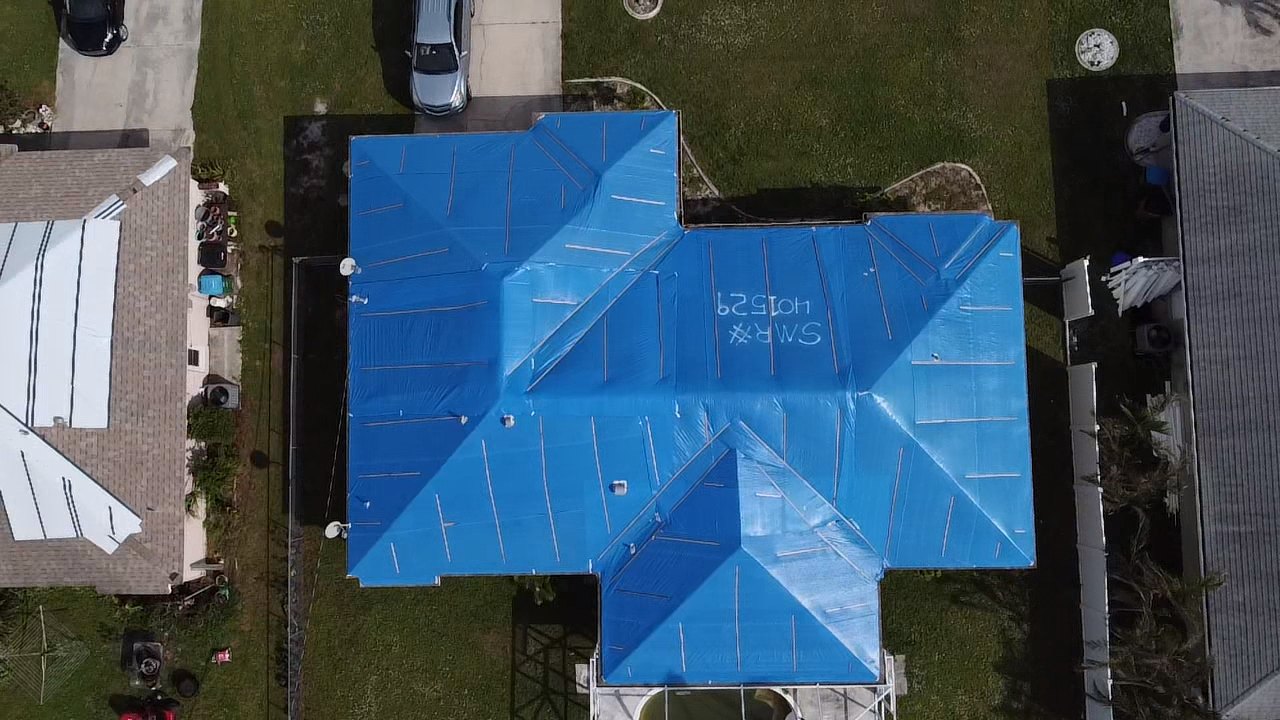
Yes, professional tarping is highly recommended right away. It immediately stops further interior water damage and protects your drywall until a professional roofer can arrive to perform a permanent, structural fix.
Can roof flashing be repaired without replacing the roof?
Yes, experienced roofers can carefully pry up the surrounding healthy shingles, remove the heavily rusted metal flashing, install fresh metal, and reseal the vulnerable area tightly without having to do a full roof replacement.
Why does my roof only leak during heavy rain?
Strong, wind-driven rain easily forces water sideways under your shingles or straight into compromised exterior roof vents that would normally repel gentle, straight-down vertical rainfall without any issue.
How long does a professional roof patch last?
A properly executed patch can last for many years, provided that the surrounding roofing materials and the underlying wood decking remain structurally sound and completely free of existing rot.
How much does it cost to fix a leaking roof?
Costs vary wildly depending on the severity and location of the damage. It generally ranges from a few hundred dollars for a basic rubber vent boot replacement to several thousand dollars for extensive structural decking fixes.