Summary: Florida homeowners should have their roofs professionally inspected at least twice a year, before hurricane season and after storm season, to identify damage, prevent costly repairs, and maintain insurance compliance. The state’s harsh climate, including hurricanes, humidity, UV exposure, salt air, and temperature changes, can accelerate roof deterioration, making regular inspections essential for different roofing materials. A thorough roof inspection helps detect hidden issues, document storm damage, protect property value, and ensure the roof remains safe and durable for years.
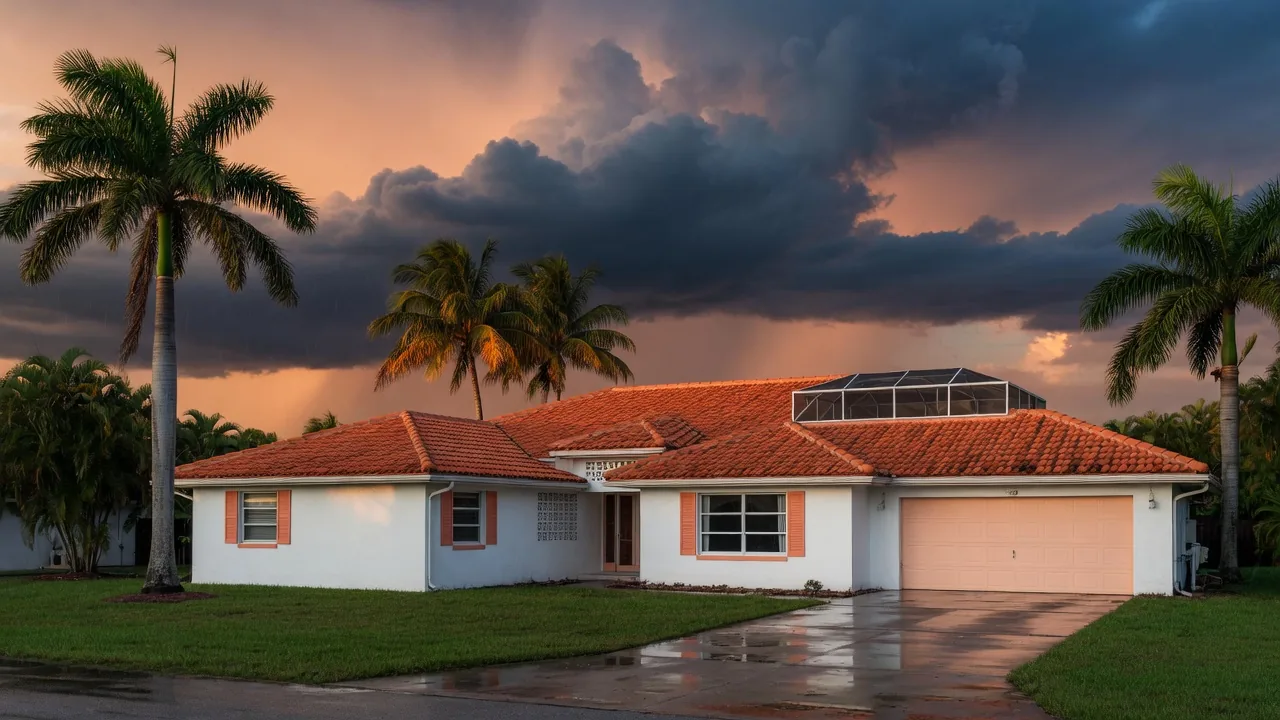
It is a typical Florida afternoon. The sky suddenly turns a bruised purple, and a torrential tropical downpour starts pounding your house. While you watch the rain from your living room, your roof is fighting a brutal battle up top.
Many homeowners don’t think about their roof until a brown water stain spreads across the ceiling. By then, you aren’t just paying for missing shingles; you are paying for rotted decking and ruined drywall. If you are wondering how often you should have your roof inspected in Florida, relying on generic, national advice that suggests checking your roof “every few years” is a recipe for catastrophic water damage in the Sunshine State.
Quick answer: When scheduling a roof inspection, Florida experts strongly recommend a professional evaluation twice a year. Schedule one in the spring before hurricane season begins, and another in the late fall after it ends.
Let’s break down the exact roof inspection frequency for Florida’s unique climate, seasonal checklists, and how this impacts your homeowners insurance.
The short answer: how often do Florida roofs need inspections?
If you want to know exactly how often to inspect a roof in Florida, you cannot treat a brand-new roof the same way you treat an older one that has survived multiple hurricanes.
The baseline rule: twice-yearly professional checks
At a minimum, you want eyes on your roof twice a year. Think of it as bookends to our extreme weather. You do a spring check to make sure everything is tied down tight before summer storms roll in. Then, you do a fall check to see if those storms knocked anything loose. Finding a minor problem in November is vastly cheaper than letting it sit and rot until May.
Age matters: how inspection frequencies shift over time
The older your roof gets, the less forgiving it becomes. Here is how your schedule should shift:
- Roofs 0–5 years old: Annual check plus post-named storm assessments.
- Roofs 6–15 years old: Semi-annual professional assessments. Sealants start to dry out, and materials begin showing wear.
- Roofs 15+ years old: Bi-annual professional oversight and proactive monitoring. Insurance companies get incredibly nervous around this mark.
Why Florida’s climate demands a specialized inspection schedule
Why can a homeowner in the Midwest check their roof every five years while we must do it every six months? It comes down to our uniquely aggressive environment.
High humidity, intense UV rays, and thermal shock
The Florida sun is relentless. It bakes the essential oils right out of asphalt shingles. But the real killer is thermal shock. When a 95-degree afternoon is interrupted by a cold thunderstorm, materials rapidly contract, then expand again. Over time, this rapid expansion and contraction tears roofing components apart.
The toll of hurricane season and tropical storms
It isn’t just Category 4 hurricanes that cause damage. Regular tropical depressions bring wind-driven rain that pushes moisture up and under your shingles. The uplift pressures generated by 60+ mph gusts pull on your fasteners, loosening the entire system and leaving you vulnerable to flying debris.
Coastal salt air and corrosion hazards
If you live near the coast, you face another invisible enemy: salt air. Salt accelerates rust at an alarming rate. It attacks the metal flashing around your chimney, the fasteners holding your metal roof down, and the galvanized clips securing your tiles.
Seasonal roof inspection timeline for Florida homeowners
Timing is everything. If you wait until a hurricane warning is on the TV, roofing contractors will already be booked solid.
Spring (May): preparing for hurricane season
May is your crucial prep month. A professional will secure any loose tiles, check seals around vents, clean gutters so torrential rains can actually drain, and evaluate tree clearances. If you are handling the basics yourself, following a thorough routine for roof maintenance Florida homes require during this month is non-negotiable.
Fall (November): post-hurricane recovery and assessment
Once the threat of storms passes, it’s time to see how the house holds up. A fall inspection is all about recovery. The inspector evaluates wind damage, checks attic spaces for moisture intrusion that hasn’t reached the drywall yet, and formally documents any wear.
Interim checks: what to look for after every major storm
You don’t need a pro out after every single thunderstorm. Do a step-by-step ground-level check with binoculars. Look for missing shingles, dented exhaust vents, or a heavy accumulation of granules at the bottom of your downspouts.
Material-specific inspection frequencies in Florida
Not all roofs age the same way. What an inspector looks for on a shingle roof is completely different from a tile system.
Asphalt shingle roofs: the 12-month rule
Shingles are common, but they take a beating from the sun. Inspectors primarily look for granule loss, curling edges, and algae staining. Because they degrade faster in the heat, you cannot go longer than 12 months without a check.
Tile roofs (clay and concrete): watch the underlayment
People love tile because it looks great and can last decades. However, the waterproofing membrane underneath usually fails long before the tiles do. Inspectors look for cracked mortar, slipped tiles, and aging underlayment. Knowing the signs of shingle and tile damage specifically can save you from a massive tear-off job.
Metal roofing systems: fasteners and seams
Metal roofs are incredible for wind resistance, but they expand and contract heavily. An annual inspection involves checking the neoprene rubber washers on fasteners to ensure they haven’t dry-rotted, and checking panel expansion and seams for corrosion.
Flat roofs and low-slope membrane systems
Common on Florida lanais, flat roofs are notorious for holding water. They require quarterly checks to prevent ponding water, membrane blistering, and clogged scuppers.
Comparison table: material lifespan and inspection frequency
| Roof Material | Recommended Inspection Frequency | Primary Vulnerability in Florida |
|---|---|---|
| Asphalt Shingle | Every 6 to 12 Months | Granule loss & UV thermal cracking |
| Tile (Clay/Concrete) | Semi-Annually & Post-Storm | Slipped tiles & underlayment rot |
| Metal | Annually | Fastener corrosion & seal degradation |
| Flat / Low-Slope | Quarterly & Post-Storm | Standing water & membrane blistering |
What does a comprehensive Florida roof inspection include?
A real Florida roof inspection is an exhaustive health check of the entire roofing system.
Exterior ground and roof-level evaluation
First, inspectors examine the structural geometry. They look at flashing integrity, valley seals where two roof planes intersect, chimney caps, and overall roof plane alignment to ensure nothing is sagging.
Attic and interior moisture checks
You cannot fully inspect a roof without going inside. An expert will check your attic spaces, inspecting the underside of the roof decking, rafters, and insulation for dampness. They also verify that ventilation airflow is unobstructed so the attic can breathe.
Wind mitigation and code compliance check
Florida building codes are incredibly strict. An inspector will verify fastener spacing, roof-to-wall attachments (clips or straps), and deck nailing patterns to ensure your home meets current safety standards.
Roof inspections and Florida homeowners insurance
Insurance is the elephant in the room for Florida homeowners. Proper documentation is your best defense against cancelled policies.
Meeting carrier requirements and renewal mandates
To meet strict Florida roofing inspection requirements, carriers are aggressively dropping policies on homes with older roofs. If your roof is approaching 15 years old, expect a mandate for a roof certification. Furthermore, getting a formal wind mitigation inspection can knock a massive chunk off your yearly premium by proving your home is built to withstand hurricane-force winds.
How regular inspections protect your claim validity
If a hurricane rips off your shingles and you file a claim, the adjuster might try to pass it off as “long-term wear and tear.” Documenting pre-existing versus storm-related damage with a recent inspection report prevents claim denials.
Signs your Florida roof needs an immediate inspection
Do not wait for your scheduled check-up if you see these red flags:
- Water stains blooming on interior ceilings.
- Missing, curling, or buckled shingles.
- Heavy amounts of granules washing out into gutters.
- Daylight is visible shining through the attic decking.
- Sudden, unexplained spikes in your energy bills.
Frequently asked questions
Is an annual roof inspection required by Florida law?
No, the state government doesn’t mandate it. However, your insurance carrier heavily dictates what you have to do. Many will require proof of inspection for older homes before renewing coverage.
How much does a professional roof inspection cost in Florida?
Curious about the roof inspection cost Florida professionals charge? For a standard residential home, expect to pay between $150 and $400. The price fluctuates based on the square footage of the home, how steep the pitch is, and the roofing material used.
How long does a standard roof inspection take?
Usually, a thorough residential roof inspection Florida contractors perform takes anywhere from 45 minutes to two hours. This includes walking the exterior, climbing on the roof, and doing the interior attic evaluation.
Can I conduct a roof inspection myself safely?
You should absolutely do visual ground-level sweeps with binoculars. But actually climbing onto the roof? Leave that to the pros. Roof falls are incredibly dangerous, and walking incorrectly on materials like clay tile can cause thousands of dollars in damage.
Does insurance cover the cost of the inspection?
Generally, no. Routine maintenance inspections are the homeowner’s financial responsibility. They will only cover an inspection if an adjuster is sent out for an active storm damage claim.
When is the best month to inspect a roof in Florida?
May is the best time for your pre-storm check, ensuring you are locked down before June 1st. November is ideal for your post-storm check to assess any summer damage.
What is a 4-point inspection?
This is a specific insurance inspection that evaluates four major systems: the roof, electrical, plumbing, and HVAC. It tells the insurance company if the home is a safe risk to underwrite.
How quickly should I inspect after a hurricane?
When doing a roof inspection after a hurricane, aim for as soon as local authorities declare the area safe. Within 72 hours is ideal. The goal is to identify damage quickly and throw a tarp up to prevent active rain from ruining your home’s interior.
Will an inspection lower my insurance?
A standard condition inspection won’t directly lower premiums. However, having an inspector fill out a specific wind mitigation form verifying hurricane clips, straps, and secondary water resistance can legally force your carrier to give you a discount.
How long do Florida roofs actually last?
Because of the harsh climate, standard asphalt shingles usually last 15 to 20 years. Concrete or clay tiles, as well as metal systems, can push past 30 years if the underlayment and fasteners are strictly maintained.
Why choose Elite-Pro Roofing & Construction
Running roofing projects in Florida means dealing with code shifts, aggressive weather, and stressed-out homeowners. Over the years, our team has built its reputation on handling those exact pressures without cutting corners.
We look at every project through the lens of a field professional who has actually climbed onto steep-pitched tiles in July heat and crawled through humid attics. You won’t get scripted sales pitches here. Instead, we focus on clear explanations, transparent data, and realistic timelines. Whether you need a straightforward annual roof inspection, post-storm damage documentation, or a roof that’s ready for its wind mitigation inspection, we handle the job right.
Our mission is simple: keep your overhead protected, make the engineering standards make sense, and give you honest answers when you need them most.
Securing your home before the next storm hits
Florida’s climate is beautiful, but it is deeply unforgiving to the exterior of your home. A proactive, twice-yearly assessment ensures your overhead defense holds strong when the sky inevitably turns dark. By staying ahead of minor repairs, you protect your property value, keep your family safe, and lock in your insurance coverage. Don’t wait for a drip in the ceiling to take action. Take control of your home’s health and schedule a roof inspection before hurricane season today.